

A Christmas Cure: Salmon, Sake, and Champagne
- Dec 25, 2025
- 11 min read
👩🍳 - Jump to recipe, but fair warning: you’ll miss all my brilliantly unnecessary (and deeply entertaining) ranting.
A Christmas Table Without Borders
In our Canadian home, Christmas cooking tends to roam happily across countries, picking up traditions like slightly mismatched ornaments collected from many winters and many places. Some inherited, others invented on the spot. This year’s menu wasn’t chosen at random, but inspired by contrast and connection: cold and warm, familiar and curious, comfort and brightness.
For the first course, I chose Scandinavian salmon gravlax, a dish that brings winter elegance and a sense of old-world ritual to the table. Since we celebrate Christmas in Canada, maple syrup was non-negotiable: folded into the cure and the maple-mustard sauce that adds gentle, familiar richness. Japanese yuzu sake brings a bright, citrusy lift, cutting through the salmon’s silkiness and tying everything together. What unites the plate isn’t geography but balance. Each element sharpening and softening the others, making the whole feel quietly festive, intentional, and unmistakably Christmas.


Bending Tradition (Gently)
I usually make gravlax the traditional way, cured with aquavit (though pálinka often steps in, simply because we always seem to have more of it on hand). In gravlax, alcohol is an optional but time-honoured companion to the cure of salt, sugar, and dill: it deepens flavour, firms the fish, and quietly does its preserving work. This year, though, I felt like wandering.
Yuzu is one of those aromas I never tire of, it's bright and almost electric. Once the idea of sake entered the picture, it refused to leave. The small bottle of Obaachan's Yuzu Shu, which I absolutely did not need but obviously bought anyway, turned out to be perfect: enough to perfume the gravlax cure, to pour a polite little cocktail for each of the four of us (recipe below), and even to sneak into dessert (recipe here). Tradition, gently bent, then cheerfully toasted.
Christmas Eve Rules (Non-Negotiable)
According to family policy (still enforced), December 24 is strictly pescatarian: fish only, no meat. It’s one of those Catholic traditions that quietly outlived its religious framework, clinging to the family long after we stopped being particularly observant. The rule itself remained clear, even as its original rationale softened with time.
As a child, I took it very seriously. I was convinced that a bite of ham on Christmas Eve would trigger some kind of disturbance somewhere deep in the Vatican. Church attendance eventually fell away; the culinary rules did not.
And so the tradition stuck, partly out of habit, partly because it makes sense. There’s something satisfying about marking the night with restraint before the indulgence of Christmas Day, especially when that restraint still allows for an impressive spread of fish-often enough to make the Miracle of the Multiplication look like a modest catering job. The result is a table that feels generous, slightly theatrical, and very intentional: Catholic energy without the church bells, overseen, at least in spirit, by a Hungarian grandmother ready to swat the bacon from your hand.





Growing up, my father made a fiercely red, paprika-powered halászlé (the Hungarian fisherman’s soup), rich with carp, catfish, and an assortment of small sacrificial fishes.
Whatever remained of the carp was sliced into proper steaks: skin, spine, the whole architectural blueprint, then dusted in flour (with paprika, obviously), dipped in egg, coated in breadcrumbs, and fried to golden perfection. Served with rice and tartare sauce, it was practically a religious experience (well, it is Christmas after all).
Then I moved to Canada, where carp is treated as a kind of legally designated persona non grata (true story, there’s paperwork and everything). The Christmas fish tradition, however, survived the relocation. It simply adapted. Salmon stepped in without protest, and quickly claimed its place as the sovereign of our holiday table.
And honestly? It wears the crown well. With its clean flavour and quiet elegance, salmon feels perfectly at home in a Christmas setting - especially cured Nordic-style. Scandinavian gravlax has become the natural expression of our now Canadian Christmas: festive but unfussy, elegant without effort, and deeply comforting for a household that believes fish deserves the spotlight.
Once salmon took its place at the centre of the table, the question became not whether to season or cure it, but how to let it speak in a way that still felt celebratory. Gravlax is, by nature, restrained: salt, sugar, dill, patience, so any variation has to earn its place. This is where a small, deliberate departure felt right: not a reinvention, but a quiet accent. Something bright enough to lift the cure, aromatic enough to suggest travel, and subtle enough to respect the fish.
The Yuzu Sake

Yuzu is a Japanese citrus that lands somewhere between lemon, mandarin, and grapefruit, but with a brighter, more floral personality. Zesty and a little dramatic, it never overwhelms. My favourite citrus scent.
Nakano Kunizakari Obaachan's Yuzu Shu Citrus Sake is a small bottle of holiday magic and long-distance longing. Sweet, tart, and beautifully aromatic, it tastes a bit like winter sunshine, and a lot like remembering Japan when travel plans are still theoretical.
Made by blending freshly squeezed yuzu juice with pure rice wine, Obaachan's Yuzu Shu captures that unmistakable Japanese citrus brightness. It's somewhere between grapefruit, mandarin, and lemon, with soft floral notes. The sake base rounds everything out, calm and umami-rich, giving the whole thing a comforting, quietly festive glow.
It’s worth noting that this is not regular sake (nihonshu), but a yuzu liqueur (yuzushu): traditional sake enriched with the tart, aromatic juice (and sometimes peel) of yuzu, rather than a purely brewed rice wine made only from rice, koji, and water. The result is gentler, brighter, and more expressive, perfectly suited to sipping, curing salmon, and generally making winter feel a little more luminous.
Served chilled or over ice, it feels especially right at Christmas. Officially, it pairs well with sushi, donburi, fish and chips, or seafood tempura. Unofficially, it pairs beautifully with gravlax, candlelight, and wistful conversations about "that trip we’ll take again someday."
• Alcohol: 7.3–7.5% ABV (gentle, not jet-lag inducing)
• Size: 300 ml - just enough for a cure, and a quiet toast afterward
• Origin: Aichi, Japan
Winter Citrus French 75
Prep time: 5 minutes | Servings: 2 cocktails

The French 75 a sparkling classic cocktail made of gin (or cognac), lemon juice, simple syrup, and Champagne: bright, elegant, and deceptively strong. In this variation, Japanese yuzu sake replace the syrup, and adds a floral lift and softer citrus nuance, creating a drink that’s crisp and celebratory.
Ingredients:
2 oz (60 ml) Gin (I used Hendrick’s Grand Cabaret, a fruit-forward limited edition with stone fruit and subtle floral notes.)
1 oz (30 ml) Nakano Obaachan's Yuzu Shu
4 oz (120 ml) Chilled Champagne
½ oz (15 ml) Fresh lemon juice
Lemon twist for garnish
Instructions
Combine the gin, the yuzu sake and lemon juice in a cocktail shaker filled with ice.
Shake vigorously until the mixture is well-chilled, which usually takes about 10-15 seconds.
Strain the mixture into a chilled champagne flute or coupe glass.
Top the glass with the chilled Champagne and stir gently to combine the ingredients.
Garnish with a lemon twist and serve immediately.
Wine Pairing
Pairing wine with salmon gravlax is a bit like choosing the right Nordic sweater: it should be crisp, well-structured, and sturdy enough to withstand emotional winds at 80 km/h.
Gravlax (being the more polished cousin of smoked salmon, the one who studied urban planning in Copenhagen and insists on biking everywhere) calls for wines that can match its salty-silky confidence.
What we needed was something properly vinous: a cold-climate white with real presence, bright acidity to echo the yuzu flavour and gentle sweetness of the cure, enough texture to flatter the salmon, and just enough restraint to let the food do the talking.
When I pitched gravlax as the Christmas Eve appetizer, my husband shouted “Pierre Péters!” with unmistakable enthusiasm. I lie. He never really shouts. He’s usually all restraint and finesse, the vinous equivalent of chalky minerality and a long, composed finish. But this time, I saw it clearly: the shouting was in his eyes. Not loud or unruly, just pure excitement, hinting the pairing is already a success.
If the yuzu sake slipped quietly into the gravlax cure like a whispered secret, Pierre Péters Cuvée de Réserve Blanc de Blancs Grand Cru arrived at the table as its natural counterpart: calm, precise, and effortlessly in tune with the dish, clean, cured, and quietly luxurious. This was never meant to compete with the salmon’s delicacy or the sake’s citrus lift; it was chosen to echo them.
Champagne Pierre Péters

Cuvée de Réserve — Blanc de Blancs Grand Cru
This is a champagne that never raises its voice, yet somehow commands the room.
Made exclusively from Grand Cru Chardonnay in the Côte des Blancs, this champagne has a way of feeling both generous and disciplined at once. On the nose, it opens with clean citrus (lemon peel, a touch of grapefruit), followed by white flowers and just-baked brioche, all underlined by a quiet chalky salinity that feels tailor-made for cured fish.
On the palate, it’s bright and linear, with an acidity that cuts cleanly through the richness of the gravlax without ever feeling sharp. Green apple, fresh pear, and almond glide alongside pure citrus notes, the mousse fine and controlled, the texture creamy but restrained. It doesn’t shout; it listens, responds, and elevates.
The finish is long and composed, leaving behind a sense of clarity and calm, like the table settling into itself once everyone has taken the first bite and the first sip.
Paired with salmon cured in yuzu sake, it feels inevitable rather than impressive: a champagne that knows exactly when to step forward, and when to let the food speak.
Other options

Traditionally, the Swedes would reach for aquavit an ice-cold, caraway-led drink often paired with a toast and a song everyone half-knows. It’s the classic partner to gravlax: herbal, bracing, and direct.
But wine invites more dialogue. When citrus enters the cure, crisp whites and fine-bubbled Champagne step in naturally, echoing the brightness while letting the salmon lead.
Sparkling
Brut Champagne
Do you need Champagne with gravlax? No. Would it elevate the whole experience and make the table feel instantly more celebratory? Absolutely.
Crémant or Cava
For when you want all the bubbles with none of the "my credit card is wheezing" energy.
Sparkling Rosé
Pink, bubbly, and shockingly food-friendly - like the extroverted Swede who somehow befriends everyone at the Midsummer party.
Sparkling Sake (dry or lightly off-dry) - to stay on theme
Surprisingly excellent with citrus desserts, especially when chilled to Champagne temperatures.
White and Rosé Wines
Chablis
Crisp, mineral, and so elegant it could easily be mistaken for a Swedish royal. Perfect if your gravlax is served on fine china or, you know, IKEA plates (same energy).
Sauvignon Blanc
Bright, zesty, and herbaceous—basically the wine equivalent of a Scandinavian kitchen: clean, minimal, and with surprising hints of dill.
Grüner Veltliner
Fresh, peppery, and slightly eccentric, much like a Norwegian designer who insists all furniture must be functional and asymmetrical.
Dry Rosé
Always appropriate. Always chic. The wine equivalent of a Finn in summer: quiet, pale, unexpectedly serious, and somehow exactly right.
Yuzu Sake Salmon Gravlax
Appetizer or main | Fish
SERVINGS 8 | Preparation: 25 minutes | Curing Time: 2 days

I buy my salmon frozen, always a half fillet, and always wild. It’s a deliberate choice, partly for quality, partly for flexibility. Frozen at peak freshness, it gives me the freedom to plan ahead, whether the fish is destined for gravlax or simply for easy weeknight grilling, cut from the thickest, most generous part. The tail end never goes to waste either: it’s perfect for a small pot of fish stew or a batch of fish cakes, the kind of simple, thrifty cooking that is especially right in winter.
A splash or two of aquavit (or any properly assertive spirit, be it neutral like vodka, gently mischievous like gin, or, in our case, a fragrant yuzu sake) is folded into the cure. Lemon zest brings the sparkle, crushed pink peppercorns add a polite little kick and a hint of colour, maple syrup for sweetness and winter warmth, and the green, feathery dill used in generous abundance.
Once cured, the salmon is sliced whisper thin (thinner than feels reasonable or safe) and served on your bread or cracker of choice. This way, we give the dish a subtle Canadian spin with a dill-forward maple mustard sauce.
Plan ahead: this dish insists on two full days to become its best self.
The fish:
Ingredients
1 half large, skin-on wild salmon fillet (about 700 g / 1½ lb)
1 large bunch fresh dill, coarsely chopped (about 1 cup)
¼ cup kosher salt
¼ cup granulated sugar
1 tablespoon maple syrup
¼ tablespoons or to taste crushed (black, pink) peppercorns
Timut peppercorns, optional *
Finely grated lemon zest, to taste
¼ cup yuzu sake
Instructions
Defrost the salmon fillet in the refrigerator for 24 hours, or start with a fresh one.
Place the salmon skin-side down in a dish large enough to hold it comfortably, over a large piece of plastic wrap.
In a small bowl, combine the salt, sugar, peppercorns, lemon zest, maple syrup, and sake. Press the curing mixture evenly onto the flesh (I coat both sides).
Lay the washed dill—either whole or coarsely chopped—over the fish.
Cover first with plastic wrap pressed directly onto the salmon, then seal with an additional layer of wrap, creating a tight, well-contained bundle.
Set a cutting board or a sheet pan on top and weigh it down with something heavy (canned goods or a cast-iron pan work perfectly).
Refrigerate for 2 days. Every 12 hours, unwrap the fish, turn it over, baste it with the accumulated juices, then rewrap, and return it to the fridge. If you skip the basting, it’s perfectly fine—just don’t skip the turning.
After curing, discard the marinade and scrape away the dill and excess seasoning. Slice the salmon thinly on the diagonal and serve with mustard sauce.

*I also added whole Timut peppercorns (aka Timur berries) to the gravlax cure, partly because I had them, and partly because felt far too interesting to sit out Christmas.
These fragrant berry peppers have become quietly popular for their citrusy, slightly electric aroma, somewhere between grapefruit zest and lemongrass. They behave less like a traditional pepper and more like a spice with wanderlust. Used sparingly, they complement salmon much like citrus zest does, adding lift, brightness, and just enough intrigue to make people pause and ask, "What is that?"
In short: you won’t find Timut pepper in a centuries-old Scandinavian recipe, but you will find it in the kitchens of people who enjoy tradition.
The sauce (Gravlaxsås):
Ingredients
2 tablespoons white wine vinegar
2 tablespoons Dijon mustard
1 tablespoon prepared mayonnaise
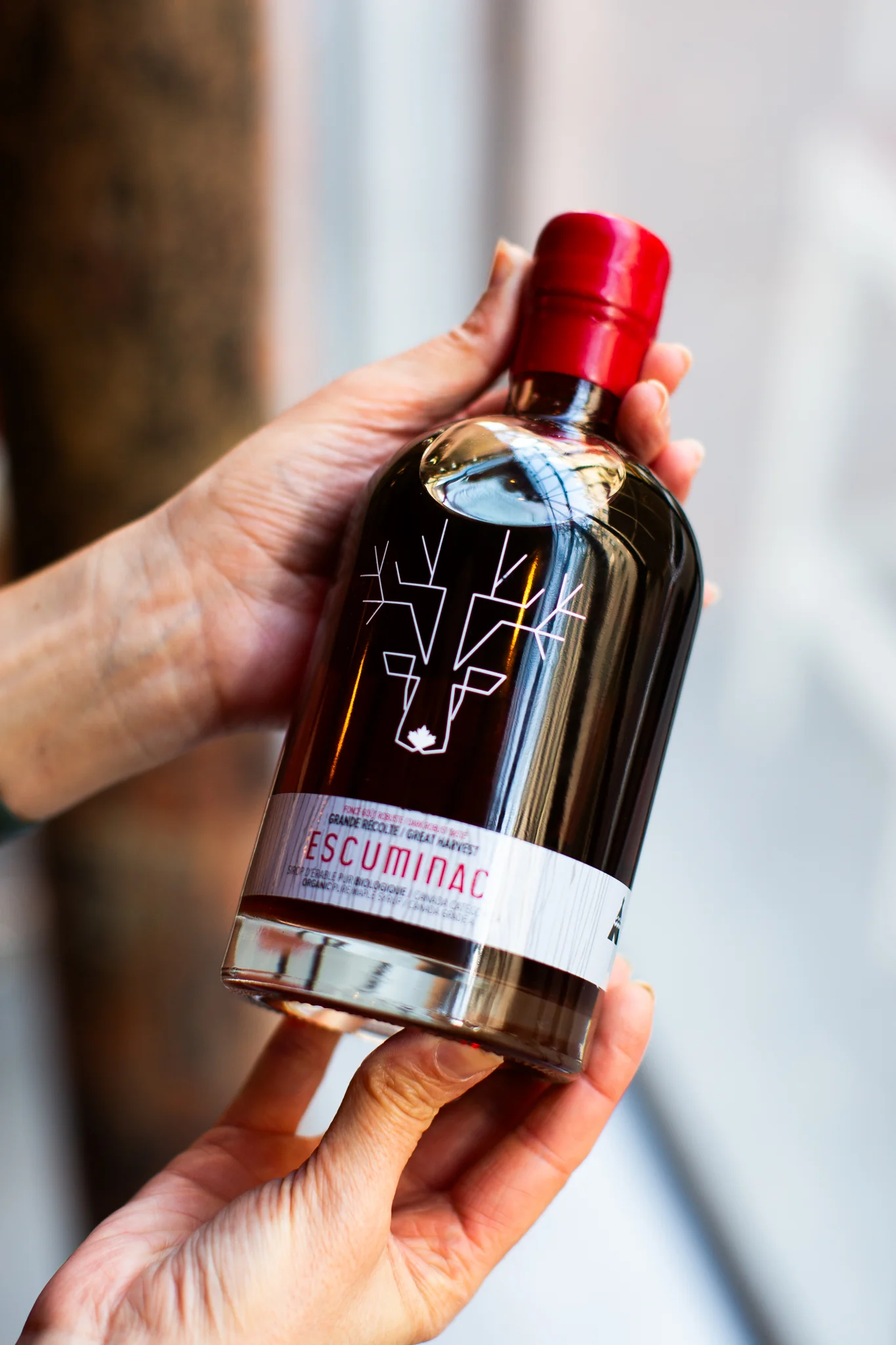
2-3 teaspoons Canadian maple syrup (escuminac.com)
7 tablespoons extra-virgin olive oil or a neutral flavoured oil like avocado
3 tablespoons finely chopped fresh dill
Salt and freshly ground pepper
Instructions
Whisk the vinegar, mustard, mayonnaise and maple syrup together in a small bowl. Slowly whisk in oil. Whisk in chopped dill and season to taste with salt and pepper.
Notes: Mustard sauce can be made up to 2 days ahead. Cover tightly and store in the refrigerator until ready to use. Give it a brief whisk to recombine just before serving.
A Christmas Eve Menu in Three Courses
This year’s Christmas Eve menu was light, balanced, and quietly festive, built around fish and bright, restrained flavours. From yuzu sake, cured gravlax with maple-mustard sauce (paired with crisp French Champagne), to sole with capers and a lemon, and finally yuzu tiramisu, the meal moved with ease from north to south. A Mosel Riesling Kabinett, dry and mineral, carried the main course and the dessert, keeping the finish fresh and composed, rather than rich or heavy.

The main dish took a gentle turn south, trading Nordic restraint for Mediterranean warmth. Delicate sole piccata in a buttery caper sauce followed: bright with lemon, lightly briny, and effortlessly elegant, bringing a hint of coastal sunshine to the depth of winter.

To close the evening, a lemon–yuzu tiramisu brought a fresh, gentle finish to the table. Light citrus notes balanced the creaminess, with just enough sweetness to feel festive without being heavy. It was calm, clean, and exactly right after a rich meal.
Happy sipping and savouring!
xosoplus mobi mình cũng kiểu nghe người ta nói hoài nên bấm vào xem thử cho biết. Mình không quan tâm lắm chuyện dự đoán có chuẩn không, chủ yếu coi cách họ làm trang thôi. Thấy họ chia mục theo XSMB khá dễ theo dõi, nhìn breadcrumb là biết đang ở “Chủ Nhật”, rồi tới bài ngày 19 07 2026 và kéo xuống là phần dự đoán cho 20 7 2026 nên không bị rối. Mình ưng cái đoạn bảng “Đầu Lô tô Đuôi Lô tô”, nhìn dạng cột gọn gàng, lướt nhanh vẫn bắt số được chứ không bị chữ dính vào nhau. Nói chung mở lên là thấy dữ liệu nằm ngay giữa nội dung, nhất là…
https://keonhacai5.com/ mình ghé thử cho biết vì thấy bạn bè nhắc, kiểu vào xem giao diện ra sao thôi. Ấn tượng đầu là trang chia khối nội dung khá rõ ràng, nhìn lướt không bị “ngợp” chữ. Mình có đọc qua bài về trận Girona vs Athletic Bilbao (03h00 ngày 05/11), tiêu đề để nổi nên kéo xuống phát là thấy ngay, bên dưới trình bày theo đoạn ngắn nên đọc nhanh cũng nắm ý. Phần kèo/tỉ lệ họ để dạng bảng gọn gàng, canh cột thẳng nên mắt đỡ phải dò từng dòng. Mình cũng thích cái menu đặt dễ thấy, chuyển qua lại giữa bài này với bài khác không cần bấm nhiều, nhất là phần tiêu đề…
Gà vàng TV dạo này mình thấy có người nhắc tới khi nói về các nền tảng giải trí trực tuyến nên cũng thử mở vào xem cách họ bố trí giao diện ra sao. Mình không đi sâu vào nội dung hay từng trò cụ thể, mà chủ yếu quan sát cách các chuyên mục được phân chia trên trang và cách thông tin hiển thị cho người dùng. Nhìn tổng thể thì các khu như thể thao, casino, game bài hay slot thường được sắp xếp theo từng nhóm khá rõ, hiển thị dạng khối và danh sách nên lướt qua cũng dễ theo dõi. Các bảng dữ liệu được trình bày dạng cột khá gọn, giúp quan…
keo nha cai dạo này thấy mọi người nhắc hoài nên mình cũng bấm vào xem thử cho biết. Mình không rành soi kèo hay tính toán gì đâu, chủ yếu coi giao diện có dễ theo dõi không thôi. Lướt một vòng thấy phần tỷ lệ kèo thể thao cập nhật khá nhanh, kiểu đang xem là số liệu nhúc nhích theo trận chứ không bị chậm. Trang cũng chia nội dung theo từng khối nên nhìn không rối, kéo xuống vẫn thấy mạch lạc. Mình thích mấy bảng tỷ lệ để dạng cột, liếc qua là hiểu chứ không phải căng mắt đọc. Với lại cái tiêu đề “Kèo Nhà Cái – Trực Tiếp Tỷ Lệ Keonhacai Thể…
tỷ lệ kèo nhà cái hôm trước mình thấy mọi người nói nhiều nên cũng bấm vào coi thử cho biết thôi. Mình không rành mấy cái này nên chỉ xem giao diện có dễ nhìn không, chứ không ngồi đọc kỹ nội dung. Vừa vào thấy trang khá sáng sủa, khoảng trắng vừa đủ nên nhìn không bị ngộp. Mình để ý cái menu đặt chỗ dễ thấy, bấm qua lại vài mục là ra ngay, không phải mò lâu. Mấy bảng thông tin họ trình bày gọn gàng, chia cột rõ ràng nên lướt nhanh vẫn hiểu đại khái. Nói chung mình chỉ cần vậy để xem sơ sơ, và đúng là cách họ chia khối nội dung…