

Zibibbo & Capers: Pantelleria in a Glass and on a Plate
Updated: Apr 6
White Wine | Sicily, Italy
👩🍳— Jump to recipe, but fair warning: you’ll miss all my brilliantly unnecessary (and deeply entertaining) ranting.
Pantelleria, this tiny rock in the Mediterranean, a little volcanic speck drifting between Sicily and Africa, isn’t like any wine region you’ve ever met. If I were a perfumer, I’d be frantically jotting notes, trying to capture whatever strange, beautiful thing is going on there: something floral, a bit spicy, a bit salty, a bit ancient. It’s hard to pin down, and honestly, it doesn’t want to be. The wines don’t just taste of the island, they pulse with it.
Pantelleria, technically part of Sicily, is closer to Tunisia than to mainland Italy, shaped by wind, scorched by sun, and caressed by sea air.

The locals grow Zibibbo by training the vines low to the ground, sheltered in hand-dug hollows like tiny grape craters to protect them from the island’s famously dramatic winds, a centuries-old practice so profound, it was recognized as UNESCO Intangible Cultural Heritage in 2014.
This grape was born dramatic and with ambitions.
Despite wind, heat, volcanic soil, and centuries of change, Zibibbo persists.
It adapts.
It glows up.
It becomes both sweet and dry, ancient and modern, nerdy and glamorous.
It’s proof that great things (mostly grapes though) can thrive in tough conditions.
Pantelleria’s wines embody contradiction. They are ancient and modern, sweet and savoury, floral and mineral. They carry history, hardship, sunlight …and - totally irrelevant, but important to me - they’re my favourite whites.
So yes, if I were a perfumer, I’d be scribbling furiously in the margins of my notebook, chasing Pantelleria’s secrets before they evaporate into Mediterranean mist.
Until then, I’ll keep a glass nearby and inhale slowly.
Because sometimes wine isn’t just wine.
Sometimes, it’s poetry you can drink.
Sicilian perfume, coastal cooking, and one very charming grape

Zibibbo, a sun-loving member of the Muscat family that first appeared in ancient Egypt’s city of Alexandria - hence its other name, Muscat of Alexandria. From there, it drifted across the Mediterranean like a fragrant traveler, settling everywhere from Spain to the Aegean islands of Greece, and even farther out in South Africa, Australia, and Chile (hola, pisco!). But it truly found its spiritual home in Sicily and its islands, where it soaks up sunlight with confidence.
Zibibbo has an effortless Sicilian swagger: vibrant, expressive, and gloriously extra. Take a sip, and suddenly you’re certain a tiny sun god is winking at you from inside the bottle.
Scientifically speaking (yes, we’re going there-adjust your nerd glasses), this grape is loaded with terpenes: aromatic compounds responsible for all those flowers, fruit, and the general scent of joy. But you absolutely don’t need a chemistry degree to appreciate any of that. Just sip, smile, and - if you’re anything like me - find yourself inspired to write an entire blog post about it. If you do want to dive a little deeper into the world of aromatic wines, I’ve put together more fragrant geekery right here!
Take a sip of a DRY Zibibbo and it tastes like someone juiced the sunrise. You’re hit with orange blossom, a salty breeze, and maybe the ghost of a lemon orchard drifting by for dramatic effect. These wines are floral, citrusy, sometimes a little saline, and always ready to convince you that you should move to Sicily and become a mysterious local with excellent sandals. Crisp, fragrant, salty like sea air and seductive gossip, each sip whispers: Quit your job. Buy a boat. Become the local legend who sells sunset watercolours to German tourists.

But, Zibibbo can also be SWEET, and produces luscious Passito di Pantelleria, a dessert wine so rich and golden, a sun-dried grapes concentrate into brilliant notes of honey, candied citrus, honeyed citrus, candied apricot, and caramelized daydreams, and Mediterranean herbs, perfect for pairing with pastries.
It tastes like someone melted a sunset and bottled it.
Food pairing
Dry Zibibbo (aromatic, floral, citrusy, slightly salty)
Best with:
Seafood: grilled prawns, calamari, branzino, sardines
Citrusy dishes: lemon chicken, preserved-lemon couscous, citrus salads
Herb-forward plates: mint, basil, fennel, parsley, anything that smells like an herb garden
Soft cheeses: fresh goat cheese, ricotta with honey + cracked pepper, fior di latte
Light Sicilian classics: caponata, pasta con le sarde, swordfish with capers, arancine with citrus or herb fillings
Salads & veggie dishes: grilled zucchini, fennel salad, green beans with almonds
Salty things: olives, anchovies, bottarga. (Zibibbo LOVES salt.)
Why it works: The wine’s florals + citrus + salinity make it behave like a very charming squeeze of lemon you can drink.
Sweet / Passito di Pantelleria (honeyed, apricot, caramelized fruit)
This one is dessert royalty.
Best with:
Stone-fruit desserts: apricot tart, peach cobbler, nectarine galette
Chocolate with orange: dark chocolate + citrus is its soulmate
Blue cheeses: Gorgonzola dolce is the power couple pairing
Vanilla gelato: boring until this wine shows up
Honey-based desserts: baklava, ricotta & honey, Sicilian cannoli
Nutty things: almond cake, pistachio biscotti, hazelnut tart
Why it works: It’s like pairing sunshine with dessert. Everything becomes more golden, more fragrant.
The Winemaker: Donnafugata

Donnafugata crafts some of Sicily’s most celebrated wines, with Ben Ryé Passito di Pantelleria standing as one of Italy’s most awarded sweet wines. The estate’s portfolio also includes icons such as Mille e una Notte and Fragore, each earning top international acclaim and strengthening the winery’s reputation for excellence.
For five generations the Rallo family has devoted itself to producing artisanal, sustainable, small-lot wines that reflect Sicily’s most distinctive terroirs. Today, siblings Antonio and José continue the family’s commitment, bringing elegant, expressive Italian wines to enthusiasts around the world.
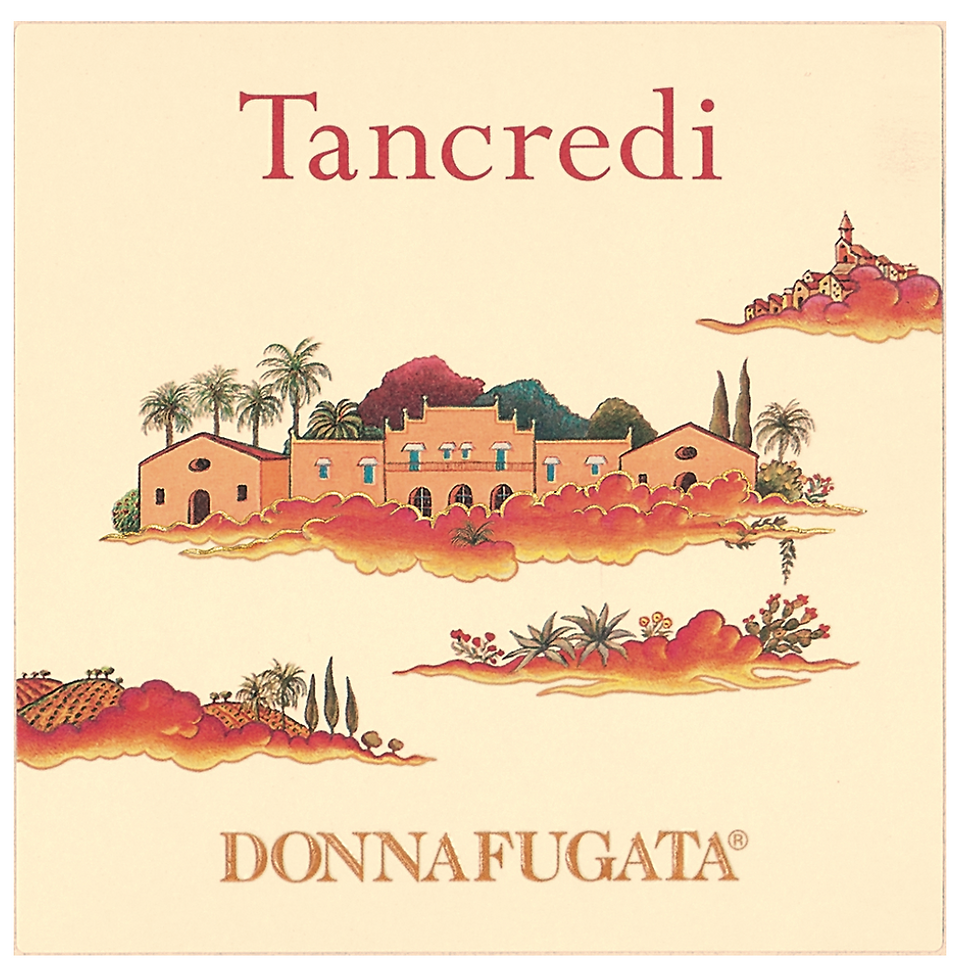
The name Donnafugata originates from Il Gattopardo (The Leopard) and the story of Queen Maria Carolina, who once sought refuge in the very area where the vineyards now stand—a tale echoed in the winery’s iconic windswept female logo. This spirit also lives in Gabriella Rallo, one of Sicily’s first women winemakers, whose pioneering vision inspired artist Stefano Vitale. For more than 30 years, his imaginative, feminine, and vividly Sicilian labels have captured the soul of each wine and shaped Donnafugata’s unmistakable identity.







Lighea by Donnafugata is true to its roots, an aromatic Zibibbo from Pantelleria, crafted through heroic viticulture on this volcanic island. The vines are grown low in wind-sheltered hollows, a centuries-old practice recognized by UNESCO. The result is a deeply Mediterranean white wine with notes of orange blossom, citrus, and minerality.
Antonio and José Rallo emphasize that Lighea reflects both the extreme nature of Pantelleria and the winery’s long-standing sustainability vision. The 2023 label has also been refreshed, now featuring a sunrise-lit interpretation of its iconic mermaid by artist Stefano Vitale.
The Recipe
On Pantelleria, flavours aren’t simply ingredients, they’re characters. They carry stories of wind-carved cliffs, volcanic soil, and sun that refuses to be subtle. And when three of the island’s native treasures meet in a single dish, well… culinary magic happens.
Why Sole?

Sole is a delicate, quietly elegant fish, refined without ever demanding attention. Its tender flakes carry a subtle sweetness and clean, understated flavour, making it an ideal canvas for the sun-drenched intensity of Pantelleria’s ingredients. Its gentle neutrality lets the wine, the capers, and the island’s bright, saline notes shine. Sole also swims in the waters around Pantelleria, in the Strait of Sicily, and, pragmatically, it’s a far more accessible choice in Canada than swordfish.
(Try the dover sole from B.C. @North Sea Fish & Farms, Calgary)
Why Capers?

Capers from Pantelleria are legendary.
These small green gems absorb the salty wind and volcanic soil of the island, creating a flavour that is salty, citrusy, slightly floral, and surprisingly strong for their size. When you add them to fish, they cut through the richness like a clever comment at a dinner party.
And in my family, capers aren’t a garnish, they’re a lifestyle. We eat them the way other people eat candy.
Why Zibibbo?

See all the above! Its citrus blossom perfume and Mediterranean herbal notes brighten and lift the entire dish. Pair it in the glass, splash it in the pan, or ideally, both.
The Flavour Trinity
Together, Zibibbo, sole, and capers form a perfect triangle of
delicacy
salinity
aromatic lift.
The wine lifts the fish, the capers brighten the edges, and suddenly your palate is on holiday somewhere warm and sunlit, unhurried, and blessed with charmingly unreliable cell service.
Sole Piccata alla Pantelleria
Serves 4 | Prep time: 15 min | Cooking time: 20 minutes

An Italian-style sole with capers and lemon is essentially a sunny, Sicilian-spirited riff on sole piccata: a lightly floured, pan-seared fillet swirled in lemon-butter and capers. It takes all of 20 minutes and somehow still tastes like it had an entire afternoon to prepare.
It also calls to mind its French cousin, the sole meunière (immortalised by Julia Child for North American audiences), one of my favourite bistro classics. Unlike the caper-bright Italian approach, the French version is all about buttery simplicity - no capers in sight - but the family resemblance is unmistakable. Ideally, of course, it’s served whole and then magically transformed by an expert waiter who debones it tableside with the grace of a seasoned magician.
Ingredients:
The Fish
4 sole fillets (about 115 g / 4 oz each)
60 g / 1/2 cup all-purpose flour
6 g / 1 teaspoon salt
1 g / 1/2 teaspoon black pepper
30 ml / 2 tbsp extra-virgin olive oil
The Sauce
90 g / 6 tbsp unsalted butter, divided
2 medium garlic cloves, minced
120 ml / 1/2 cup dry white wine or chicken stock
30 g / 4 tbsp capers, drained and rinsed
Juice of 1/2 lemons
4 tbsp fresh Italian parsley, chopped
Instructions:
Prep the fish: Pat the sole fillets dry. In a shallow dish, mix the flour with the salt and pepper. Lightly dredge each fillet in the seasoned flour, shaking off any excess.
Sear the sol: Heat the olive oil and 30 g / 2 tablespoons of the butter in a large skillet over medium heat. When the butter is just starting to foam, add the fillets in a single layer (cook in batches if needed). Cook for 2–3 minutes per side, until lightly golden and just cooked through.Transfer to a plate and tent loosely with foil.
Make the sauce: In the same skillet, reduce the heat slightly and add the minced garlic. Sauté for 30 seconds until fragrant but not browned. Pour in the wine (or stock), scraping up any browned bits from the pan. Let it simmer for 1–2 minutes, until slightly reduced.
Stir in the capers, lemon juice, and the remaining about 60 g/ 4 tablespoons of butter.
Swirl the pan or stir gently until the butter melts and the sauce becomes glossy and smooth.
Finish + serve: Return the sole to the skillet briefly to warm through, spooning sauce over the top. Sprinkle with chopped parsley.
Plate with flair: Serve immediately with extra lemon wedges.
What to Serve With It?

Couscous! Yes, absolutely.
The best couscous I’ve had outside a North African restaurant (and aside from the magic in my friend D.’s kitchen) was in Sicily. The tiny semolina grains are steamed over fragrant broth - simple, coastal, unforgettable.
Couscous is a true Sicilian star, especially in Trapani, where cùscusu reigns. Brought centuries ago by North African Berbers, it settled into the island’s culinary soul and became something uniquely Sicilian. Instead of the hearty, meat-forward versions of the Maghreb, the Trapanese version luxuriates in a rich fish broth scented with saffron, cinnamon, almonds, and bay leaves.
It’s the perfect partner for this dish: light, aromatic, and ready to catch every last drop of that lemony, caper-studded sauce.
Plus, obviously: more Zibibbo and your favourite fish-loving audience!
Quick 5-Minute Couscous
OK, look… maybe don’t show this to your North African friends. Not because it’s bad, but because they’ll take one look at this 5-minute, bowl-and-kettle shortcut and immediately start drafting a formal letter of concern.
They spend hours steaming couscous the proper, majestic way - layer by layer, cloud by cloud - in those beautiful couscoussières we absolutely do not have in our non–Mediterranean kitchens.
Meanwhile we’re over here going, "Hmm. Kettle? Yes. Plastic wrap? Also yes. Good enough."
This isn’t the ceremonial, deeply layered, auntie-approved couscous tradition. It’s the weeknight, no-time, please-don’t-judge-me version. But hey, it’s still fluffy, delicious, and perfect with your lemony sole. And sometimes that’s exactly what dinner needs to be.
Ingredients
1 cup instant couscous
1 cup boiling water or vegetable/chicken broth
1 tbsp olive oil or butter
Salt and pepper, to taste
Instructions
Bring the water or broth to a boil. (Broth adds extra flavor.)
Place the dry couscous in a heatproof bowl.
Pour the boiling liquid over the couscous, give it one quick stir, and cover the bowl tightly with a lid or plastic wrap.
Let it sit undisturbed for 5–10 minutes, until all the liquid is absorbed.
Fluff with a fork to separate the grains.
Stir in the olive oil or butter, then season with salt and pepper to taste.
Variations & Flavour Add-Ins
Fresh herbs & brightness: Mix in chopped parsley, mint, or cilantro. Add lemon zest or a squeeze of lemon juice for freshness.
Nuts & fruit: Try toasted slivered almonds, pine nuts, or golden raisins à la marocaine
Mangia e bevi bene!


Comments