

Cointreau-Glazed Duck Breasts: Melodrama in One Delicious Act
Liquor : Apéritif or Digestif / Cocktails | France | Website
👩🍳 - Jump to recipe, but fair warning: you’ll miss all my brilliantly unnecessary (and deeply entertaining) ranting.
In tonight’s production, our Duck Breast takes centre stage, dressed in a glossy Cointreau glaze that positively try to steal the spotlight. Supporting characters include a cast of caramelized winter vegetables, each adding warmth, sweetness, and charm. No need for intermission, this little culinary melodrama is tender, fragrant, and ready to be devoured in a single, delightful act.
Drum roll: Le Cointreau
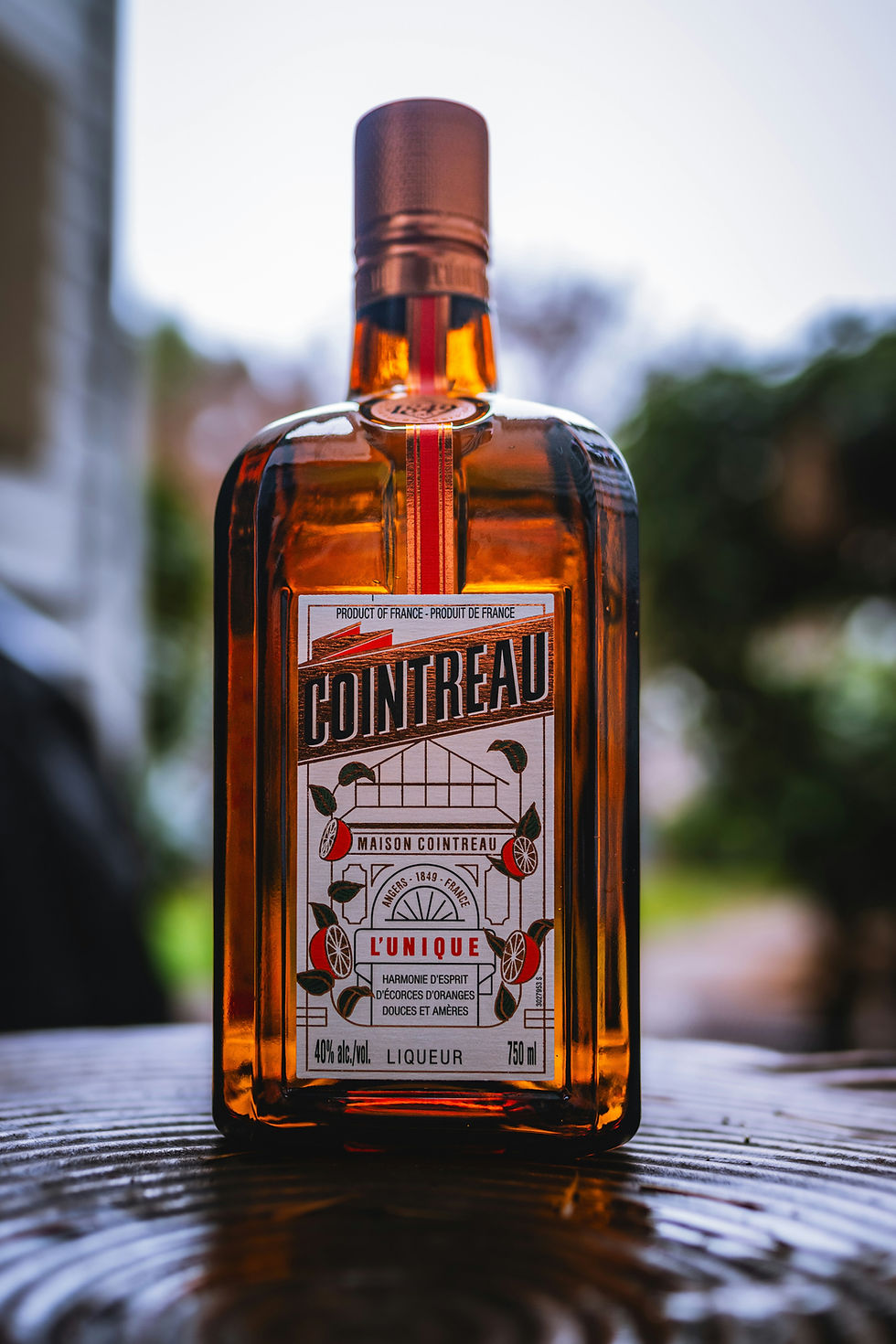
A citrusy little troublemaker, Cointreau is an orange-flavoured triple sec from France, more precisely from Saint-Barthélemy-d'Anjou, tucked into the Loire Valley, birthplace of countless vinified treasures. Clearly, the region knows its way around a bottle.
“Cointreau changes everything” is the brand’s most recent global slogan, launched around 2022, and honestly? It fits. The liqueur has a remarkable way of transforming cocktails: balancing, brightening, and pulling flavours together like the world’s most elegant citrus diplomat.
An aromatic masterpiece of over 40 notes of orange-peel essence, it’s zesty, floral, sweet, and surprisingly complex: fresh yet persistent, nuanced yet unapologetically orange.
And despite its unmistakably blazing orange bottle, the liqueur itself is completely colourless - proving, once and for all, that you should never judge a drink by its outfit.
¡ Margarita !
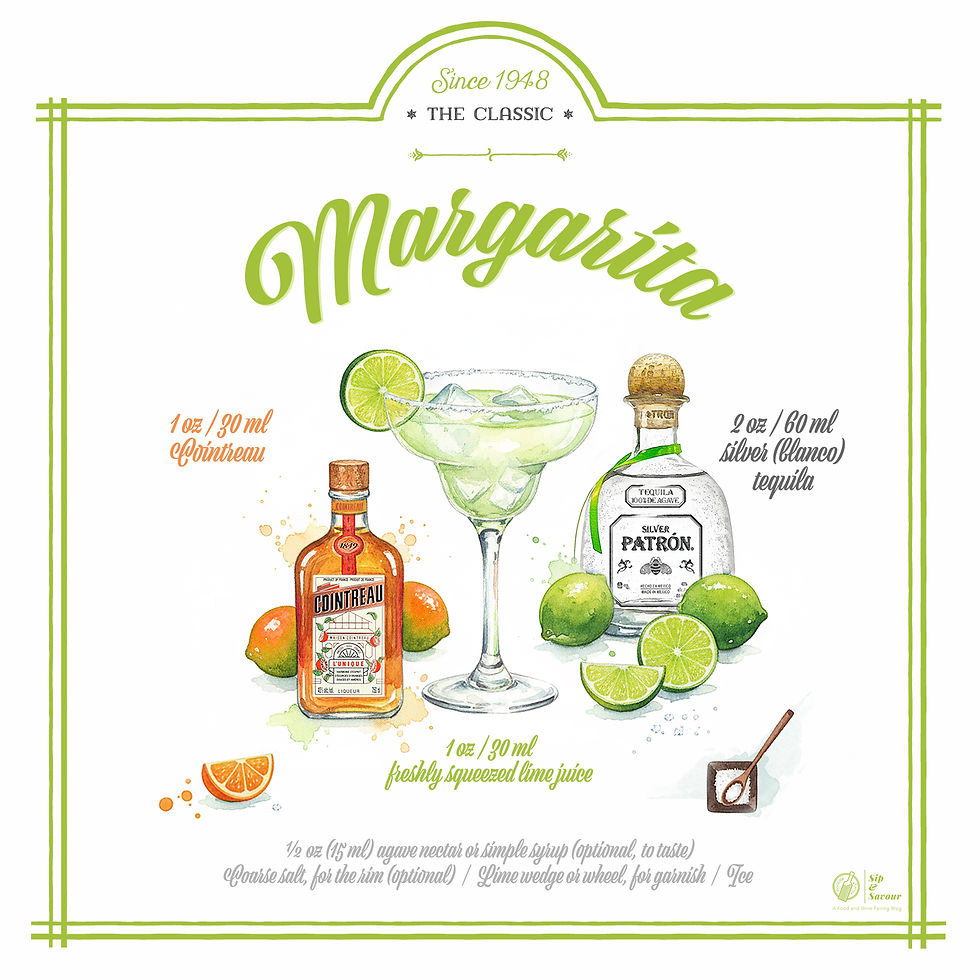
The original Margarita - just Cointreau, tequila, and lime juice - was said to have been born in 1948 in sun-drenched Acapulco, crafted by American socialite Margarita Sames - and in her own immortal words: “There is no Margarita without Cointreau!”
Here is the recipe in my own visual interpretation:
Cointreau's History
It originally carried the very dignified name Curaçao Blanco Triple Sec, until someone realized that was far too long to pronounce after two cocktails, so they settled on the equally tricky Cointreau. Merci, France!
For accuracy’s sake, it’s pronounced [kwan’-tro].
Jokes aside, Cointreau was born in 1849 thanks to Adolphe Cointreau, a confectioner who basically said, “Candy is great, but what if it could get you tipsy?” He and his brother Édouard-Jean first made a hit cherry liqueur, then struck gold by blending sweet and bitter orange peels with beet alcohol.
By 1875, Cointreau was officially a phenomenon. Today, around 13 million bottles travel to more than 150 countries every year. The Cointreau family ran the show until 1990, when they teamed up with Rémy Martin to form Rémy Cointreau, a corporate power couple proving that when life gives you oranges, you build an empire.
The Ladies behind the brand

Cointreau may have been founded by the Cointreau brothers, but its real glow comes from the women who carried it forward.
Louisa Motais Cointreau was the original powerhouse: a business mind, a humanitarian, and the kind of woman who expanded a brand and opened a hospital during WWI, all while infusing everything she touched with the same bright, refined spirit that defines Cointreau’s own orange essence.
Today, Carole Quinton, Cointreau’s Master Distiller, keeps the orange magic alive. She’s part scientist, part artist, part alchemist by selecting botanicals, balancing aromas, and ensuring every bottle tastes like pure, zesty brilliance.
As with so many legendary liqueurs (see: my entire Chartreuse rant), the recipe is a family secret. Tours are offered, but cameras are banned in many areas—no copying the magic!
The Cointreau line-up
It’s beloved as both an apéritif and a digestif, which is wonderfully convenient, because that essentially means you can sip it before dinner, after dinner, or any time life feels like it needs a bit of citrus-powered therapy.
Core Temptation
Cointreau l’Unique: The original, irresistibly bright orange liqueur, the seductive backbone of countless iconic cocktails.
Seductive Variations
Cointreau Noir: Cointreau entwined with Rémy Martin cognac, smooth, deep, and undeniably dangerous.
Cointreau Citrus Series: Limited-edition citrus muses (think pomelo) that appear, tease, and disappear.
Cointreau Citrus Spritz: A ready-to-drink spritz that’s effortless, sparkling, and flirtatiously refreshing.
Cocktails
The star of legends like the Margarita, Cosmopolitan, and Sidecar—plus an entire repertoire of recipes the brand loves to show off - see them here.
Photo by Kike Salazar N
Alright, enough about the booze, let’s talk about the food!
Cointreau may bring the sparkle, but the duck breasts absolutely steal the show. Crisp skin, molten-pink centres, sweet earthy roasted roots. Every element joins in, turning the plate into a tiny orchestra of indulgent flavour.
The Duck
I’ve always loved duck - this much has been clear from my previous posts! I also feel incredibly fortunate that, as a child, my grandparents had a farm where I could enjoy unique meats like rabbit, goose, and, of course, duck. Every bite still carries a little echo of those warm, nostalgic memories.
Different countries have their own signature duck dishes. In Hungary, we usually prepare the bird whole and savoury, often serving it with braised red cabbage and rizi bizi, the Hungarian take on the classic Venetian risi e bisi, meaning “rice and peas”.
Perhaps the most famous duck dish of all is Chinese Peking duck, celebrated for its impossibly crisp, paper-thin skin. The method is so intricate it takes days, and frankly, I trust only expert locals to make it properly. Then there are the wonderfully aromatic duck curries of India and Thailand, and the deeply comforting Vietnamese duck pho - each one delicious in its own way. I even once attempted oritang, a local specialty in Gwangju, South Korea, a thick, nutty duck soup enriched with perilla seed powder, which gives the broth a uniquely earthy flavour. The result was unforgettable in all the best ways.
For this recipe, I’ve chosen the classic French canard à l’orange, a timeless classic. But here it comes with a twist: the beautifully aromatic Cointreau, whose bright citrus notes transform the dish into something flirtatiously elegant and, well… deliciously boozy.
And really, who could resist Cointreau’s wonderfully cheeky 2007 slogan, Be Cointreauversial!?
(On that note, I shall graciously overlook the earlier “Voulez-vous Cointreau avec moi? ” - charming, yes, but this duck is modern, confident, and needs no coy pickup line to command the spotlight.)
Cointreau-Lacquered Duck Breast & Caramelized Winter Vegetables
SERVINGS 4 | Preparation: 20 minutes | Cooking: 45 minutes
Succulent duck breast is lacquered with a fragrant Cointreau glaze, its citrus notes gently cutting through the richness of the meat. A medley of winter aromatics - carrots, beets, and sweet potatoes - slow-caramelizes until tender and deeply golden, adding earthy sweetness and warmth. The whole dish becomes a cold-weather harmony of bright citrus, velvety texture, and comforting seasonal depth.
Cooking duck breast, however, is an entirely different craft from roasting a whole bird or braising the legs. This cut is never cooked through. As the French say, you serve it saignant, beautifully, confidently rare, between 125°F (52°C) and 130°F (54°C). Duck breast simply thrives at medium-rare; push it further and you lose the tenderness that makes it exceptional.

Ingredients
Duck Breast
4 duck breasts, skin on
Salt and freshly ground black pepper
2 clove of garlic
15 grams / 1 tbsp butter
1 or 2 sprigs of thyme
Caramelized Winter Vegetables
8-10 small carrots, or 4 larger ones, peeled (if using large ones cut into quarters)
4 small beets, peeled and cut into wedges
2 small sweet potato, peeled and cut into wedges
3 tbsp / 40 grams duck fat or avocado (eventually olive) oil
1 tbsp / 15 grams honey or maple syrup
2 tbsp / 30 ml balsamic vinegar
Salt & pepper
Splash of Cointreau (optional)
Cointreau Glaze
125 ml / ½ cup Cointreau
60 ml / ¼ cup chicken stock
20 grams / 1 tbsp honey or maple syrup
Jus and zest of one orange
Pinch of salt
15-30 grams / 1-2 tbsp cold butter
Instructions
Cook the Duck
Pat the duck breasts dry and score the skin in a crosshatch pattern (don’t cut into the meat).
Season generously with salt, pepper, thyme, and the crushed garlic.
Place breast one by one or two at the time depending on the size of our pan, skin-side down in a cold pan.
Turn the heat to medium and let the fat slowly render—about 8–10 minutes, until the skin is crisp and golden.
Flip the duck and cook for another 3–5 minutes, depending on your preferred doneness.
Optionally add the butter, baste briefly, then remove duck from the pan to rest. Repeat with the rest of the breasts.
Keep the fat and juices in the pan for the Cointreau glaze!
Prepare the Vegetables
Preheat the oven to 200°C /400°F.
Peel and cut all the vegetables into similar-sized pieces so they cook evenly.
Toss the carrot, beet, and sweet potato with duck fat (or oil), a drizzle of honey or maple syrup, salt, pepper. Make sure everything is well coated.
Spread the vegetables out on a baking sheet, leaving space between the pieces so their moisture can evaporate rather than steam. Roast uncovered for 20-25 minutes total, stirring them 3 times over the course of roasting (every 5-10 minutes) until they’re deeply caramelized and tender.
If you’d like, finish with a tiny splash of Cointreau for a bright, fragrant citrus note.
Make the Cointreau Glaze
Use the duck fat and juices rendered from the cooking of the breasts and the same pan.
Add Cointreau, stock, honey, orange juice and zest, and a pinch of salt.
Bring to a simmer and reduce, stirring occasionally, until thickened and glossy, about 5–7 minutes.
Taste and adjust sweetness or acidity if needed.
Add butter at the end to make it thicker.
Glaze & Serve
Slice the rested duck breasts.
Spoon the warm Cointreau glaze generously over the top.
Serve alongside the caramelized winter vegetables.
Wine Pairing Suggestions
Tips for Choosing
First, consider the sauce:The Cointreau glaze is citrusy-sweet, so pick wines with bright fruit or a wink of sweetness. Imagine pairing your dish with sunshine.
Then, match the intensity: Duck is rich. Caramelized vegetables are dramatic. Choose a wine that can rise to the occasion but doesn’t shout over everyone.
Also, don’t fear the whites: Seriously. Duck and white wine can be chef’s-kiss magical. If anyone judges you, give them a Viognier and watch them convert.
Red Wine Pairings (The Drama)
Pinot Noir: A timeless match for duck. Its bright acidity gracefully cuts through the richness, while soft tannins keep things harmonious. Choose one with earthy or red-fruit notes, perfect alongside caramelized vegetables and citrus glaze.
Syrah/Shiraz: Medium-bodied with a little spice and dark fruit, Syrah brings just enough structure to balance the dish without overwhelming it.
White Wine Pairings (The Comedy)
Gewürztraminer: Aromatic, floral, and delicately sweet, it mirrors the citrus notes of the Cointreau while offering a graceful counterpoint to the richness of the duck.
Riesling:Dry or off-dry, Riesling’s vibrant acidity refreshes the palate and harmonizes with the glaze’s sweetness. A bright, elegant companion.
Viognier: Lush, floral, and silky, Viognier offers enough body to stand up to the duck while adding a gentle lift to the dish’s citrus and spice.
Chardonnay: Unoaked or lightly oaked Chardonnay brings freshness and subtle richness, an excellent pairing for duck when you want balance without heaviness.
Happy sipping and savouring!


Comments