

The Dreadful Cuvée of Márianosztra: Hungary's Living Wine Heritage
Updated: Sep 9
"Oh God, please work a miracle,
Turn the Tisza River into wine;
If the Tisza were made of wine,
My heart would suffer no harm at all."
(Hungarian folk song)

What My Grandfather Drank
I often wondered what grapes my grandfather grew on his little plot of land in Márianosztra, tucked into the foothills of the Börzsöny Mountains in northern Hungary.
It isn't a place particularly known for wine. Raspberry fields, yes. Vineyards, not so much.
And yet those family plots were still called szőlő, the Hungarian word that can mean grapes, grapevine, or even vineyard. That alone made me think wine must once have played a much larger role in local life, even if only on a small family scale among the volcanic hillsides.
When I finally asked my aunt, she immediately remembered the names of the grapes.
Nova, or Noah, for the white wine. Izabella and Otelló for the reds.
That surprised me. These weren't traditional Hungarian grapes, or even European ones. They were American hybrids, varieties that spread through Central Europe after phylloxera devastated European vineyards in the late nineteenth century. Most vineyards eventually went back to European varieties, grafted onto American rootstock. But families like ours kept some of the hybrids. They were hardy. They produced. They survived. And perhaps that was enough.
Today, Noah, Izabella, and Otelló have largely disappeared from commercial winemaking and are no longer approved for quality wine production in Hungary or much of the European Union. Yet for generations of rural families, they were simply the grapes growing behind the house, the ones that quietly filled barrels, accompanied everyday meals, and became part of family memory.
By any professional standard, the wine Papa made wasn't very good. My father, his son-in-law, jokingly referred to it as Márianosztrai Rettenetes: The Dreadful Cuvée of Márianosztra. He said it with the kind of theatrical respect normally reserved for something so bad it has become legendary.
And yet, Papa drank it every day. Sometimes straight. Sometimes with soda water, as many Hungarians of his generation did. Wine wasn't a luxury, and certainly not a hobby. It was simply part of daily life, as ordinary and essential as bread on the table.
He had five gönci barrels.
The name comes from Gönc, a town in the Tokaj-Hegyalja wine region. By the nineteenth century, the gönci had become a standard measure: 160 icce, or roughly 136 litres.
Five of them. Still sitting beneath layers of dust in the old house. Empty now, but together they could have held nearly 700 litres of wine.
Whether he ever filled all five depended on the harvest. Some years gave him plenty. Some years didn't.

He made whatever the vineyard gave him.
And when it wasn't quite enough, he adjusted. Chaptalization, when necessary. No laboratory, no consultant, no one standing over his shoulder asking whether the vintage was technically correct. Nobody inspected. Nobody asked questions. It was simply how things were done.
Then, every harvest, he divided what he had made by 365 and worked out his daily ration.
And drank it.
He lived to be 88, with remarkably few health problems, which, depending on whom you ask, either says something meaningful about homemade wine, or absolutely nothing at all.
Recently, I tried a natural German wine from Weingut Schätzel and suddenly I was thinking about all of this again. It was a Portugieser called Pink 3000. Unfiltered. Only 9.5% alcohol. Wild fermented and aged under flor.

The wine was raw and alive: juicy, cloudy, mineral, savoury. A little strange. It seemed almost to hum in the glass rather than sit there behaving itself.
And somehow, I knew it.
Not the flor. Not the natural-wine language. Not the German vineyard.
The feeling.
Strip all of that away and there was something familiar underneath: the cloudiness, the rusticity, the slight sharpness around the edges, the sense that the wine had not been polished into submission.
It wasn't even completely my kind of wine. I usually like more structure, more precision, more polish.
But for a moment, I wasn't really tasting it.
I was back in Márianosztra.
Cool cellar air. Old wooden barrels. The smell of homemade wine. And somewhere in the background, the faint sense that this was never supposed to be anything special.
It was simply the wine people had.
The grapes my grandfather grew weren't Hungarian grapes, or even European ones. So the connection isn't really about the varieties themselves. It is about something much more ordinary, and, to me, much more important.
I don't think of those grapes first as varieties with a place in wine history. I think of them as szőlő. A little vineyard behind a house. Five old barrels. A man dividing his wine into 365 portions and drinking his way through the year.
The wine may have been dreadful.
But it was his wine.
And somehow, all these years later, I can still taste the idea of it.

Grapes That Belonged
Hungary has been growing grapes for more than a thousand years. Some varieties that survived here are found nowhere else.
They have been through a lot: phylloxera, wars, changing borders, communist collectivization, and decades of changing tastes. And somehow, some of them are still here. A few are even finding their way back into vineyards and bottles.
That feels important now, when wine has become increasingly interested in things like biodiversity, sustainability, and a sense of place. But these grapes were never planted because they were good examples of biodiversity. People planted them because they grew there. They belonged there.
Kadarka. Furmint. Juhfark. Kéknyelű.
Each carries something of the place where it evolved. Over centuries, they adapted to the soils and climate of the Carpathian Basin, developing characteristics that can be difficult to reproduce elsewhere. And that old genetic diversity has value beyond nostalgia. Some of these varieties still offer useful traits for modern grape breeding.
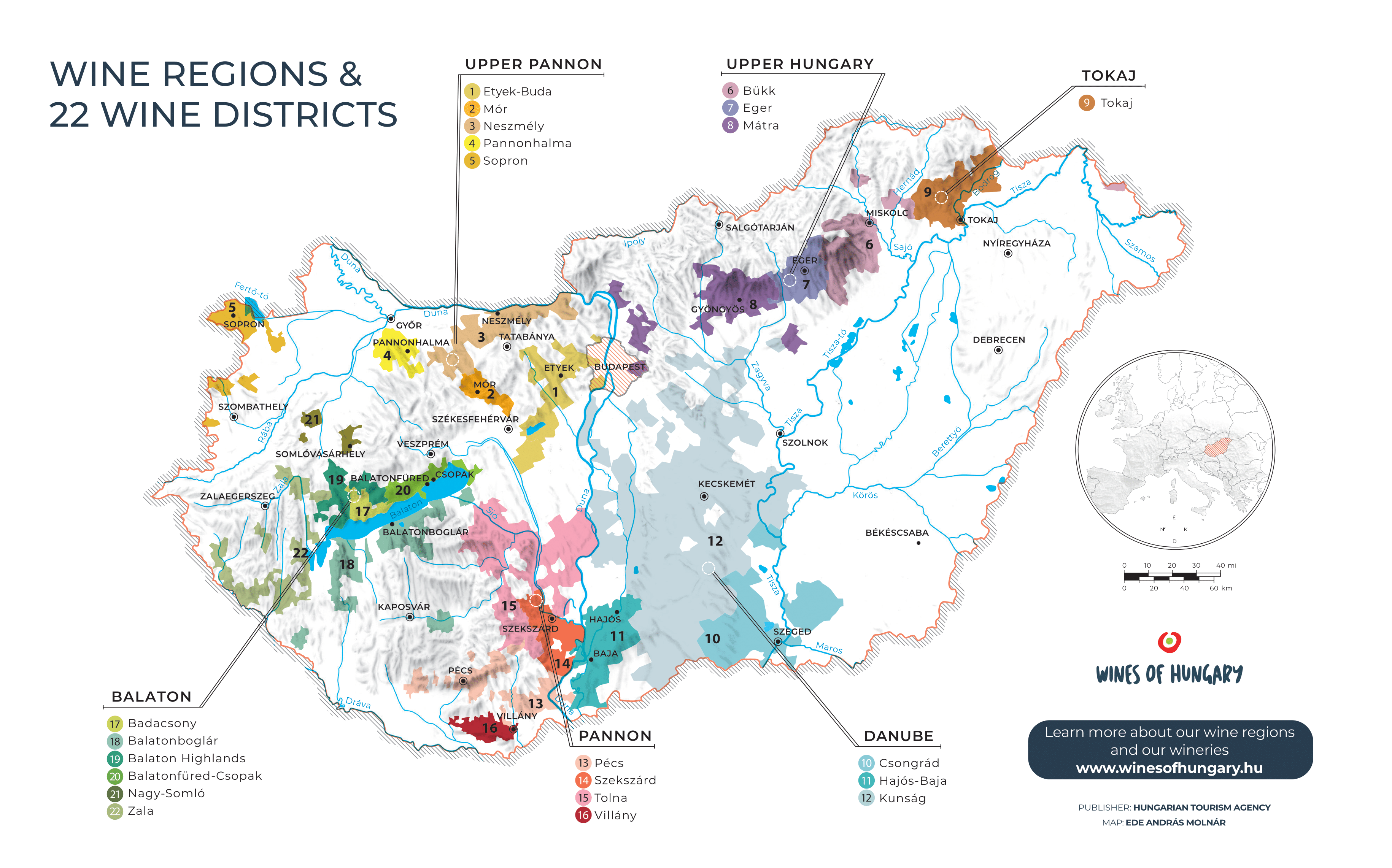
Today, more than 60,000 hectares of vineyards are cultivated across Hungary with over 220 registered grape varieties. Around 70% of Hungarian vineyards are planted with white grapes, while red varieties account for the remaining 30%.
Hungarian Red Grapes

Hungarian red grape varieties are grown across several wine regions in Hungary, but some areas are especially known for reds. The main regions include:
Villány: often considered Hungary’s premier red wine area, famous for Cabernet Franc, Cabernet Sauvignon, Merlot, and Portugieser. Warm climate, rich full-bodied reds.
Szekszárd : known for elegant, spicy reds, especially Kadarka and Kékfrankos, as well as Bikavér (Bull’s Blood).
Eger: home of the famous Egri Bikavér. Kékfrankos is dominant here, alongside Kadarka and Bordeaux varieties.
Sopron - particularly associated with Kékfrankos, thanks to its cooler climate close to Austria.
Mátra and Bükk: increasingly important for lighter, fresher reds.
Pannonhalma: A historic abbey wine region producing elegant Pinot Noir.
Heimann Kadarka Szekszárd 2024 | Vylyan Csóka Variáció 2023 | Somló Kincse Piros Bakator 2020
Kadarka
One of Hungary’s oldest and historically most important red grapes
Light-bodied, elegant, and spicy
Often compared to Pinot Noir for its finesse and delicacy
Produces juicy wines with lively acidity, soft tannins, and complex spice
Traditionally consumed young, though modern producers increasingly make age-worthy styles
Widely planted in Szekszárd and Eger Wine Regions
A key component of Bikavér (“Bull’s Blood”) blends
Its precise origin remains uncertain, though it likely comes from the Balkan–Pannonian region
Csókaszőlő
Indigenous red grape native to the Carpathian Basin
Nearly extinct by the late 20th century before being revived by dedicated winemakers
Produces dark cherry- and plum-driven wines with lively acidity and soft tannins
Piros Bakator
Possibly of Hungarian origin and native to the historic Érmellék region (present-day Romania)
Exists in several colour variations, including white and blue forms
Produces intensely aromatic, structured, spicy wines of remarkable quality
Central European Red Varieties Widely Grown in Hungary
Taschner Kékfrankos 2024 | Günzer Opi Kékoportó 2024 | Luka Zweigelt 2024
Kékfrankos / Blaufränkisch
Today widely regarded as Hungary’s defining red grape
The country’s most planted red variety
Backbone of Bikavér blends in Eger Wine Region and Szekszárd Wine Region
Known for bright acidity, sour cherry fruit, peppery spice, and ageing potential
Performs equally well in blends and single-variety wines
Kékoportó / Portugieser
Light, fruit-forward, easy-drinking red variety
Especially associated with Villány Wine Region
Popular across Central Europe and also widely planted in Germany
Typically made for early consumption with soft tannins and fresh berry flavours
Zweigelt
Austrian crossing of St. Laurent and Blaufränkisch created in 1922
Commonly planted in Hungary for both blends and varietal wines
Produces approachable wines with bright fruit and moderate structure
Other International Red Varieties Widely Planted in Hungary:
Cabernet Sauvignon
Cabernet Franc
Merlot
Pinot Noir
Syrah
These varieties became increasingly important after the political and economic transitions of the late 20th century, particularly in regions such as Villány and Szekszárd.
Hungarian White Grapes
White grapes have long defined the character of Hungarian viticulture, shaping some of the country’s most historic and internationally celebrated wines. Today, roughly 70% of Hungary’s vineyards are planted with white grape varieties, reflecting both the country’s climate and its deep-rooted white wine traditions. Across Hungary’s diverse wine regions, indigenous white varieties thrive on volcanic hillsides, limestone slopes, and sunlit plains, producing wines noted for their vivid acidity, mineral depth, aromatic complexity, and remarkable capacity for ageing. From the powerful, saline whites born from the ancient basalt soils of Somló Wine Region and Badacsony Wine Region to the legendary botrytised sweet wines of Tokaj Wine Region, often regarded among the world’s greatest dessert wines, white grapes form the backbone of Hungary’s winemaking identity. Varieties such as Furmint, Hárslevelű, Olaszrizling, and Juhfark are not only deeply tied to regional traditions, but also express the country’s distinctive terroirs with unusual clarity and precision.

These regions are Hungary's most distinctive and internationally significant white wine terroirs:
Tokaj: Legendary volcanic vineyards producing the world-famous Tokaji Aszú and elegant dry Furmint wines.
Somló: Hungary's smallest wine region, renowned for intensely mineral white wines from volcanic soils.
Badacsony: Lake Balaton's iconic volcanic slopes, home to distinctive Olaszrizling and the rare Kéknyelű grape.
Csopak: The benchmark region for elegant, mineral-driven Olaszrizling on the northern shore of Lake Balaton.
Mór: Historic home of the indigenous Ezerjó grape, producing crisp, fresh white wines.
Etyek-Buda: Hungary's premier cool-climate region for Chardonnay, Sauvignon Blanc, and traditional-method sparkling wines.
Pannonhalma: A historic abbey wine region producing refined white wines.
Mátra: Hungary's largest wine region, known for vibrant, aromatic white wines grown on volcanic foothills.
Neszmély: A cool-climate Danube region producing fresh, aromatic white wines and crisp sparkling bases.
Balaton-felvidék: Scenic volcanic vineyards on the northern shores of Lake Balaton, producing mineral-rich white wines.

Furmint 👑
Indigenous white grape variety most closely associated with Tokaj in northeastern Hungary
Considered one of Hungary’s most important and historic wine grapes
Main grape used in the production of the legendary sweet wines of Tokaji Aszú
Also widely used for dry wines, sparkling wines, and late-harvest styles
Naturally high in acidity, giving wines freshness, structure, and strong ageing potential
Thin-skinned and highly susceptible to noble rot (Botrytis cinerea), which concentrates sugars and flavours
Typical flavour notes include:
green apple
pear
quince
citrus
apricot
honey
ginger
smoky or volcanic minerality
Dry Furmint wines are often mineral-driven, textured, and complex
Sweet Furmint wines can age for decades and develop notes of caramel, dried fruit, tea, and spice
Thrives especially well on volcanic soils in Tokaj, Somló, and parts of Eger, while also adapting successfully to the limestone, marl, loess, and clay soils of Balatonfüred–Csopak and Pannonhalma
Usually ripens late, allowing long hang-time and flavour concentration
Often blended with Hárslevelű in Tokaji wines
Increasingly gaining international attention for premium dry white wines
Frequently compared stylistically to high-acid white varieties such as Riesling or Chenin Blanc, though with a distinctly Hungarian character
Pronunciation: FOOR-mint

Hárslevelű ("Linden Leaf”)
Frequently blended with Furmint, though also capable of producing excellent single-varietal wines
Softer, rounder, and more aromatic than Furmint
Known for notes of honey, elderflower, linden blossom, herbs, pear, and white flowers
According to recent DNA research, Furmint is likely one of its parent varieties
Widely cultivated in Tokaj, where it plays an important role in both dry wines and Tokaji Aszú
Naturally lower in acidity than Furmint, contributing richness and perfume to blends
Performs especially well on volcanic and loess-based soils
Often produces wines with a creamy texture and gentle spice character
Name derives from the Hungarian word hárs (“linden tree”), referencing its floral aroma profile
Can age gracefully, developing notes of acacia honey, tea, and dried fruit over time

Juhfark (“Sheep’s Tail”)
Rare volcanic white grape strongly associated with Somló
Famous for its piercing acidity, salty texture, and smoky mineral character
Produces highly structured, age-worthy wines with remarkable longevity
Historically known as a “wedding wine,” traditionally believed to bless newlyweds with a son
Name means “sheep’s tail,” referring to the grape’s long, cylindrical clusters
Thrives especially well on basalt-rich volcanic soils
Typically displays notes of citrus, quince, green apple, smoke, wet stone, and spice
Often made in a dry style with powerful texture and pronounced terroir expression
One of Hungary’s oldest indigenous grape varieties
Traditionally associated with aristocratic and royal Hungarian wine culture
Though rare today, it is increasingly valued by natural and terroir-focused winemakers for its distinctive character


Kéknyelű (“Blue Stalk”)
Rare grape variety native to Badacsony Wine Region
Produces elegant, structured, full-bodied wines
Often marked by smoky volcanic character and restrained fruit
>> Földi Bálint Szent György-hegyi Kéknyelű 2024

Budai zöld (“Green of Buda”)
Once common in the hills surrounding Buda
Today primarily grown in Badacsony as the traditional pollinator grape for Kéknyelű
Crisp and mineral-driven with citrus and green apple notes
>> Folly Abrorétum Budai Zöld 2025

Cserszegi Fűszeres (“Spicy [grape] from Cserszeg”)
Highly aromatic Hungarian crossing between Irsai Olivér and Roter Traminer
Intensely floral and spicy with muscat-like aromas
Fresh, expressive, and increasingly popular in modern Hungarian winemaking
>> Szászi Cserszegi Fűszeres Narancsbor 2025

Irsai Olivér (Named after a Hungarian wine merchant)
Early-ripening aromatic variety created in Hungary in the 1930s
Known for pronounced Muscat character and youthful freshness
Typically consumed young to preserve its vibrant floral aromas
>> Etyeki Kúria Irsai Olivér 2025

Leányka (“Little Girl”)
Widely grown in Eger Wine Region and Mátra Wine Region
Produces wines with moderate acidity and floral-fruit character, sometimes compared stylistically to Viognier
Occasionally capable of producing naturally sweet wines
>> Böjt Egri Csillag Superior 2025

Királyleányka (“Little Princess”)
Likely a natural crossing of Kövérszőlő and Leányka
Produces elegant wines with delicate acidity and aromatic intensity
Frost- and drought-tolerant, though sensitive to mildew and rot
>> Kárásztelek Friza Gyöngyözőbor (Sparkling wine) 2025

Ezerjó (“A Thousand Blessings”)
Historically important grape of the Mór Wine Region
Known for very high acidity and excellent ageing potential
Traditionally used for sparkling wines and crisp dry whites
>> Csetvei Amphora Ezerjó 2020
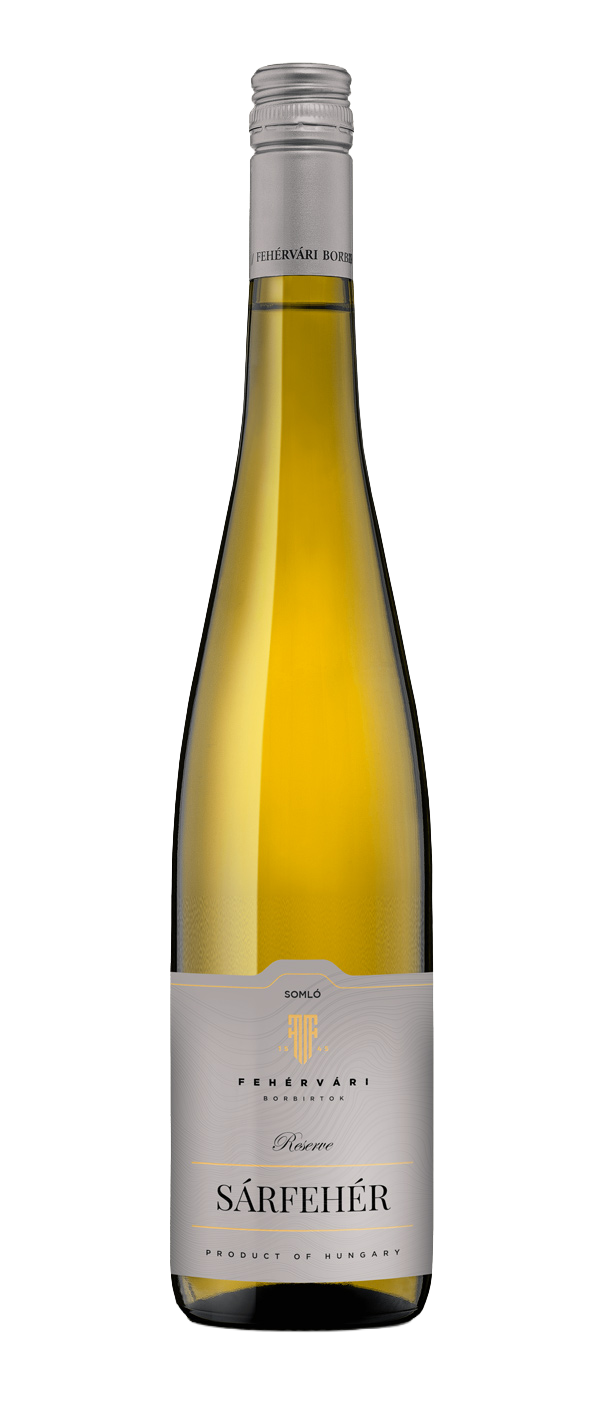
Öreg Sárfehér (“Old Whitemud”)
Ancient Hungarian grape variety also known as Zsige
Historically important in Somló Wine Region and Neszmély Wine Region
Produces aromatic wines with good acidity and rich fragrance
Traditionally blended with Furmint and Juhfark in classic Somló wines
>> Reserve Sárfehér - Fehérvári Borbirtok

Fehér Gohér (“White Gohér”)
Historic Hungarian grape cultivated since at least the 16th century
Traditionally grown in Tokaj and the Balaton Highlands
Suitable for both dry wines and sweet aszú-style wines
>> Aranysörte Fehér Gohér 2024

Kövidinka (or Dinka)
Ancient pink-skinned variety native to the Carpathian Basin
Survived phylloxera thanks to Hungary’s sandy vineyards
Produces light, fresh wines with subtle apple and herbal character
Recently rediscovered by natural winemakers for skin-contact and orange wines
>> Balog Árpád Kövidinka

Kabar
Modern Tokaj-approved crossing of Hárslevelű and Bouvier
Exclusively grown in Tokaj
Ripens early and develops botrytis easily
Adds richness, body, and floral notes to Tokaji blends
>> Füleky Tokaji Kabar Vinnai 2019
Hungary’s “Z” Grapes
The five white grape hybrids known as the “Z-grapes” were created during an ambitious mid-20th-century breeding programme led by Hungarian viticulturist Dr. Ferenc Király in Pécs. These varieties range from fresh everyday whites to serious sweet wine grapes.
Figula Zenit & More 2025 | Zengő Hajdu Roland 2024 | Laposa Zeus 2024 | Himesudvar Tokaji Zéta 2020 | Pfneiszl Zefir 2022
Zenit (Ezerjó × Bouvier)
The most widely planted of the group
Fresh, approachable, and aromatic
Typically shows apple and pear flavours with lively acidity
Zengő (Ezerjó × Bouvier)
Name means “resonant” in Hungarian
High acidity and strong structure
Capable of producing age-worthy wines
Zeus (Ezerjó × Bouvier)
Powerful variety especially suited to late-harvest wines
Particularly successful in Badacsony Wine Region
Rich, intense, and expressive
Zéta (Furmint × Bouvier)
Tokaj specialist known for early ripening and excellent botrytis potential
Widely used in sweet Tokaji wines
Formerly known as Oremus
Zefír (Hárslevelű × Leányka)
Floral and aromatic with notes of peach, honey, and elderflower
Frequently used in sparkling wines and orange-style wines
More delicate and less widely planted than the other Z varieties

Central European White Varieties Widely Grown in Hungary
Pannon Ottonel Muskotály 2025 | JÁSDI Lőczedombi Olaszrizling 2024 | Bíró és Fia Pincészet Rizlingszilváni 2024
Ottonel Muskotály (Muscat Ottonel)
One of Hungary’s most popular aromatic white grapes
Known for floral, grapey aromas and light, fragrant wines
Widely grown in Mátra Wine Region and around Lake Balaton
Produced in both dry and sweet styles
Olaszrizling (Welschriesling)
Hungary’s most widely planted white grape variety
Closely associated with the Balaton Wine Region
Produces crisp wines with almond, citrus, herbal, and mineral notes
Considered one of the clearest expressions of Hungarian terroir
Rizlingszilváni (Müller-Thurgau)
Central European crossing of Riesling and Madeleine Royale
Traditionally valued for reliability and accessibility
Light-bodied with soft fruit and floral aromas
Commonly used for approachable everyday wines
Western European Varieties Adapted to Hungary

Szürkebarát (Pinot Gris)
Hungarian name means “grey monk”, reflecting monastic wine traditions
Most closely associated with Badacsony Wine Region
Produces rich wines with pear, spice, and smoky mineral notes
Styles range from dry to late-harvest sweet wines
>> LAPOSA Vitorlás Szürkebarát 2025

Tramini (Traminer)
Closely related to Gewürztraminer
Intensely aromatic with notes of rose petal, lychee, and spice
Thrives in cooler Hungarian wine regions
Used for both dry aromatic wines and dessert wines
>> KRISTINUS Tramini 2021
A Living Wine Heritage
Hungary’s old grape varieties carry more than wine in them. They carry bits of landscape, history, and family memory.
For me, that connection is personal. These aren't simply obscure Hungarian grapes I discovered while studying wine. They lead me back to my grandfather, his little vineyard in Márianosztra, and the homemade wine that was part of everyday family life.
I saw the same small-scale vineyard life elsewhere too—visiting uncles and neighbours, and wandering through little plots on both sides of Lake Balaton, in the Etyek-Buda region where I practically grew up, and in other parts of Hungary.
But you don't need a Hungarian grandfather to find them fascinating.
Some survived phylloxera, wars, changing borders, communist collectivisation, and changing wine fashions. A few hung on in forgotten vineyards simply because someone refused to let them disappear.
Now they are coming back.
Kadarka. Juhfark. Kéknyelű. Csókaszőlő.
Winemakers are rediscovering them not just because they are old, but because they still belong to the places where they have grown for centuries. They taste of somewhere.
And that is becoming harder to find.
While Cabernet Sauvignon, Chardonnay and Merlot can be planted almost anywhere, these grapes are tied much more closely to home. Volcanic hills, local soils, old cellar traditions, generations of knowledge. Sometimes even a little of Hungary's complicated history.
For me, they are family.
For someone else, they may simply be an unfamiliar grape and a fascinating wine to discover.
Either way, they are still here.
Egészségedre! - To your health. 🍷


Comments